If you have seen “Sponsored” results at the top of Google, you have seen search engine marketing. SEM is how businesses appear at the exact moment someone searches for what they sell. In 2026, with AI reshaping organic search, paid SEM has become more valuable, not less. This guide covers what SEM is, how it works, and how to build a strategy that converts.
Quick Answer
|
1. What Is Search Engine Marketing?
SEM promotes a website through paid ads on search engine results pages (SERPs). You bid on keywords, and when someone searches those terms, the search engine runs an auction in milliseconds. Winning ads show above or alongside organic results. You only pay when someone clicks. If you want the full service offering, see our SEM agency services in Singapore or the dedicated PPC services page.
What makes SEM different from other marketing:
- Paid placement: you bid for visibility instead of earning it slowly.
- Intent-driven: ads only show when users search relevant keywords.
- Controllable: pause, scale, or reallocate budget instantly.
- Measurable: every click and conversion tracked in real time.
2. Why SEM Matters in 2026
AI Overviews, ChatGPT, and Perplexity have cut organic clicks on informational queries. But commercial queries (“buy”, “best”, “near me”) have made paid search more valuable. SEM slots still appear above AI summaries. For the latest benchmarks, see our SEM key data report.
- Instant visibility: SEM puts you on page 1 today, while SEO takes 6 to 12 months.
- High-intent traffic: searchers are ready to act, not just browsing.
- Brand defense: stop competitors from bidding on your brand name.
- Precise ROI: cost per click, CPA, and ROAS measurable to the cent.
3. How the SEM Ad Auction Works
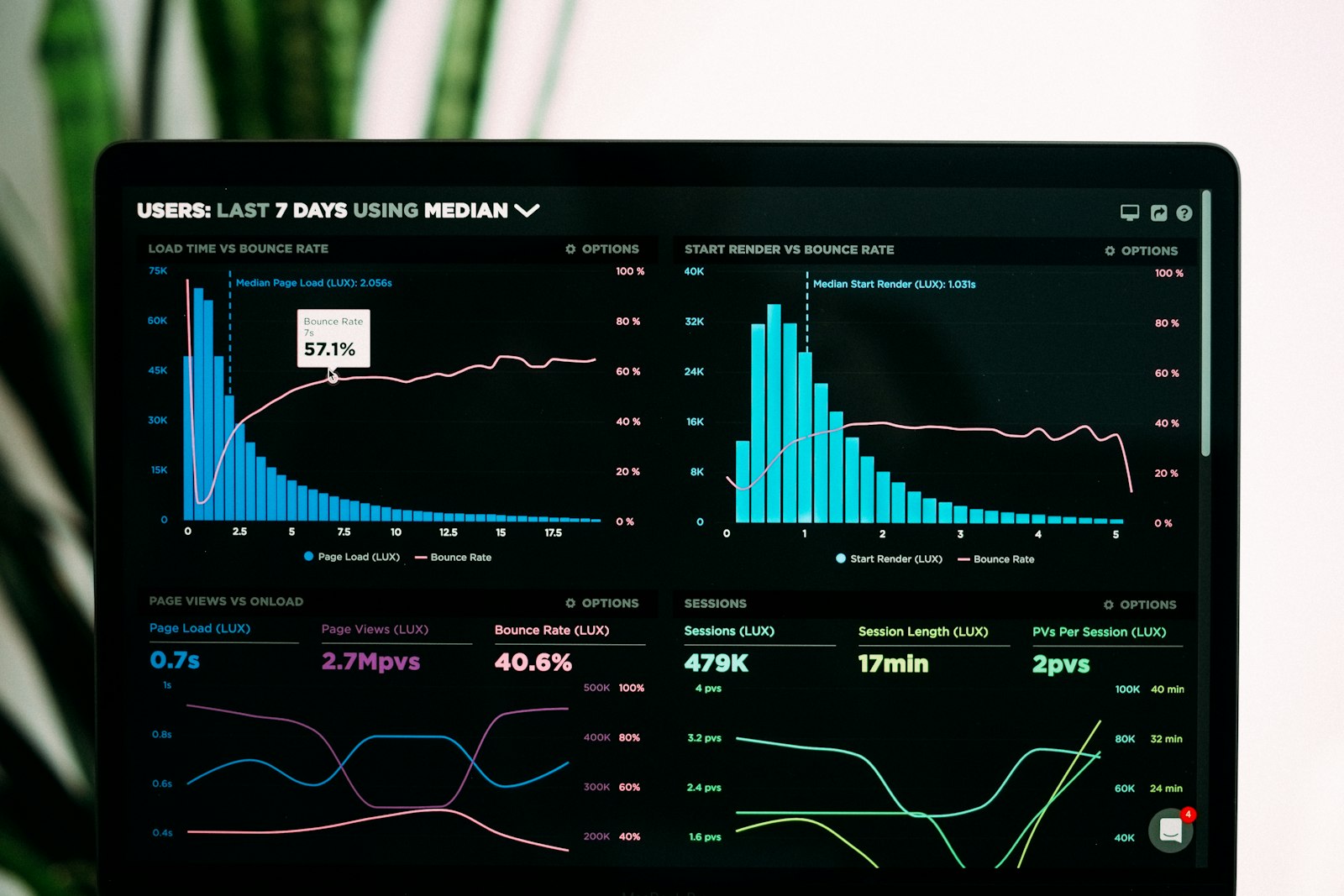
Every search triggers a 6-step auction:
Step 1. User enters a query (e.g., “best CRM Singapore”).
Step 2. Google identifies all eligible advertisers targeting that keyword.
Step 3. Auction begins: bid and Quality Score are computed for each.
Step 4. Ad Rank = Bid x Quality Score + extension impact. Higher rank, better position.
Step 5. Top 3 to 4 ads appear above organic results.
Step 6. You pay only when clicked. Actual cost is often below your max bid.
|
Quality Score: the cheapest lever in SEM
|
4. SEM vs SEO: Key Differences
Both drive search traffic, but through opposite mechanisms. For a deeper breakdown, see SEM vs SEO compared or learn what SEO is.
|
Factor |
SEM (Paid) |
SEO (Organic) |
|
Cost |
Pay per click |
No cost per click |
|
Time to results |
Immediate |
6 to 12 months |
|
Placement |
Top + bottom (Sponsored) |
Middle (organic) |
|
Longevity |
Stops when you stop paying |
Compounds over time |
|
Best for |
Commercial queries |
Informational queries |
|
Measurement |
Precise ROI |
Harder to attribute |
|
Run both
|
5. SEM vs PPC: Not the Same
PPC is a billing model (pay per click). SEM is the marketing discipline that uses PPC to win search visibility. Display, social, and shopping ads can use PPC but are not SEM. Our SEO vs PPC breakdown has the full comparison.
6. Core Components of an SEM Campaign

- Keywords: terms you bid on. Start with our guide on finding SEO keywords for free and keyword mapping.
- Match types: broad, phrase, exact. Controls how closely a search must match your keyword.
- Negative keywords: terms you exclude (e.g., “free” if you sell premium).
- Ad copy: headlines and descriptions. Must match intent, lead with benefits, include a clear CTA.
- Ad extensions: sitelinks, callouts, and call extensions that boost CTR at no cost.
- Landing pages: dedicated page per ad group drives 2x to 5x better conversion. See our landing page optimization guide or our landing page design services.
- Bidding strategy: Manual CPC, Target CPA, Target ROAS, or Maximize Conversions.
- Audience targeting: demographics, remarketing lists, in-market segments.
7. Account Structure Hierarchy
A disorganized SEM account wastes 30 to 50% of budget. The structure:
>> Account: One per business. Contains billing and global settings.
>> Campaigns: Organized by goal, product, or geography. Own budget per campaign.
>> Ad groups: Tight themes of 5 to 15 related keywords.
>> Keywords + Ads: Multiple ad variants per group for A/B testing.
>> Landing pages: Ideally one dedicated page per ad group.
8. Build an SEM Strategy in 2026 (9 Steps)

1. Set measurable goals: Define target leads, CPA, or ROAS before spending.
2. Study competitors: Use Semrush or SpyFu to find their keywords and ad copy.
3. Choose the platform: Google Ads for volume. Microsoft Ads for B2B and cheaper CPC.
4. Research keywords: Group by intent. Include negatives from day one.
5. Set a sustainable budget: Start at $50 to 100 per day. Scale winners only.
6. Write compelling ads: Match intent, lead with benefits, use all 15 RSA headlines.
7. Build converting landing pages: One page per ad group. Under 2-second load. Mobile-first.
8. Track everything: GTM + GA4 + Google Ads conversions before launch.
9. Test and iterate: Review search terms weekly. Cut losers, scale winners.
|
Shortcut
|
9. Top SEM Platforms in 2026
- Google Ads: biggest platform. See the types of Google Ads and Google Ads pricing in Singapore.
- Microsoft Ads (Bing): 30 to 50% cheaper CPC. Strong in B2B and finance.
- Amazon Ads: essential for ecommerce. Sponsored Products and Brands.
- YouTube Ads: video with SEM-style keyword targeting.
- Social vs search: see Google Ads vs Facebook Ads compared to decide where to invest.
10. Key SEM Metrics
Track these, not vanity numbers. Our performance marketing guide explains full-funnel attribution.
- CTR (Click-Through Rate): Clicks divided by impressions. Search benchmark: 3 to 5%.
- CPC (Cost Per Click): Varies by industry: $1 to 2 retail, $20+ legal.
- Quality Score: 1 to 10. Aim for 7 or higher. Lower CPC, better position.
- Conversion Rate: 3 to 5% lead gen, 1 to 2% ecommerce.
- CPA (Cost Per Acquisition): Most important for lead gen. Tied to ROI.
- ROAS (Return on Ad Spend): Revenue divided by spend. 4x means $4 per $1 spent.
- Impression Share: Below 50% means budget or Quality Score is limiting reach.
11. SEM in the AI Era: The AEO Shift

AI Overviews and ChatGPT answer queries directly. Informational clicks drop, but SEM slots stay visible. Winning brands combine paid search with Answer Engine Optimization (AEO), content structured to be cited by AI. See our AI SEO services for how this works in practice.
What to change in 2026:
- Shift informational SEO to AEO (structured, citation-worthy content).
- Double down on transactional keywords in SEM (highest intent).
- Adopt agentic AI campaigns (Performance Max) but with strategic oversight.
12. 7 SEM Mistakes That Waste Budget
1. No negative keywords. You pay for clicks that never convert.
2. Sending traffic to homepage. 2 to 5x worse than dedicated landing pages.
3. Ignoring mobile. 70%+ of searches are mobile.
4. No conversion tracking. You optimize on clicks instead of revenue.
5. Bidding only on competitor brands. Expensive and often unprofitable.
6. Skipping ad extensions. Free 10 to 20% CTR boost left on the table.
7. Over-optimizing. Smart Bidding needs 2 to 3 weeks to learn.
Fix these, then level up with our conversion rate optimization checklist and guide to increasing website conversion rate.
13. FAQs
Q: Is SEM the same as Google Ads?
A: No. Google Ads is a platform. SEM is the discipline. Microsoft Ads and Amazon Ads are also SEM.
Q: How much does SEM cost?
A: Singapore SMEs typically spend $1,000 to 5,000 per month. CPC ranges from $1 to $20+ by industry.
Q: How fast will I see results?
A: Clicks in hours. Meaningful conversion data in 2 to 4 weeks. Full optimization takes 8 to 12 weeks.
Q: Do I need an agency?
A: For spend above $3K per month, usually yes. Below that, a well-run DIY account can work.
Q: Does SEM help SEO?
A: Indirectly. SEM data reveals converting keywords, which informs SEO targeting.
Q: What is a good Quality Score?
A: Aim for 7 or higher. A 10 can cut CPC by 50%.
Q: SEM vs social ads?
A: SEM captures demand. Social captures attention. Most brands need both.
Q: Will AI replace SEM managers?
A: AI automates execution. Strategy, landing pages, and positioning still need humans.
Ready to Launch or Fix Your SEM?
SEM is the most direct way to reach buyers at the moment of intent. The brands winning in 2026 are not the ones spending the most, but the ones with tight structure, sharp landing pages, and disciplined testing.
|
Get a free SEM audit in 24 hours
|