
In 2025, web design is no longer just about looking good, it’s about creating meaningful user experiences that drive business results. Whether you’re a small business or an enterprise, your website acts as the digital face of your brand.
Yet many websites still fall into classic design pitfalls that hurt performance, SEO, and credibility. Below are the most common web design mistakes and how you can avoid them to build a site that performs beautifully across devices.

1. Ignoring Mobile Experience
With most people using mobile devices to browse the internet, it’s a big mistake to ignore mobile responsiveness. A website that is not responsive does not change to fit different screen sizes. This can lead to a frustrating time for mobile users. They might see messy layouts, tiny text that’s hard to read, and links that are too small to tap on correctly.
Responsive design helps your website change easily to fit any device. This means everyone has a nice experience on your site. When a website is friendly for mobile devices, it loads fast, navigation is easy, and content is simple to read and enjoy.
Focusing on responsive design will give your mobile visitors a good experience. This can help keep them on your website longer and increase the chances of turning mobile users into customers.
You can explore more about optimization techniques in our Responsive Web Design Guide and Best Practices for Responsive Design to ensure seamless performance across all screens.
2. Overcomplicated Navigation
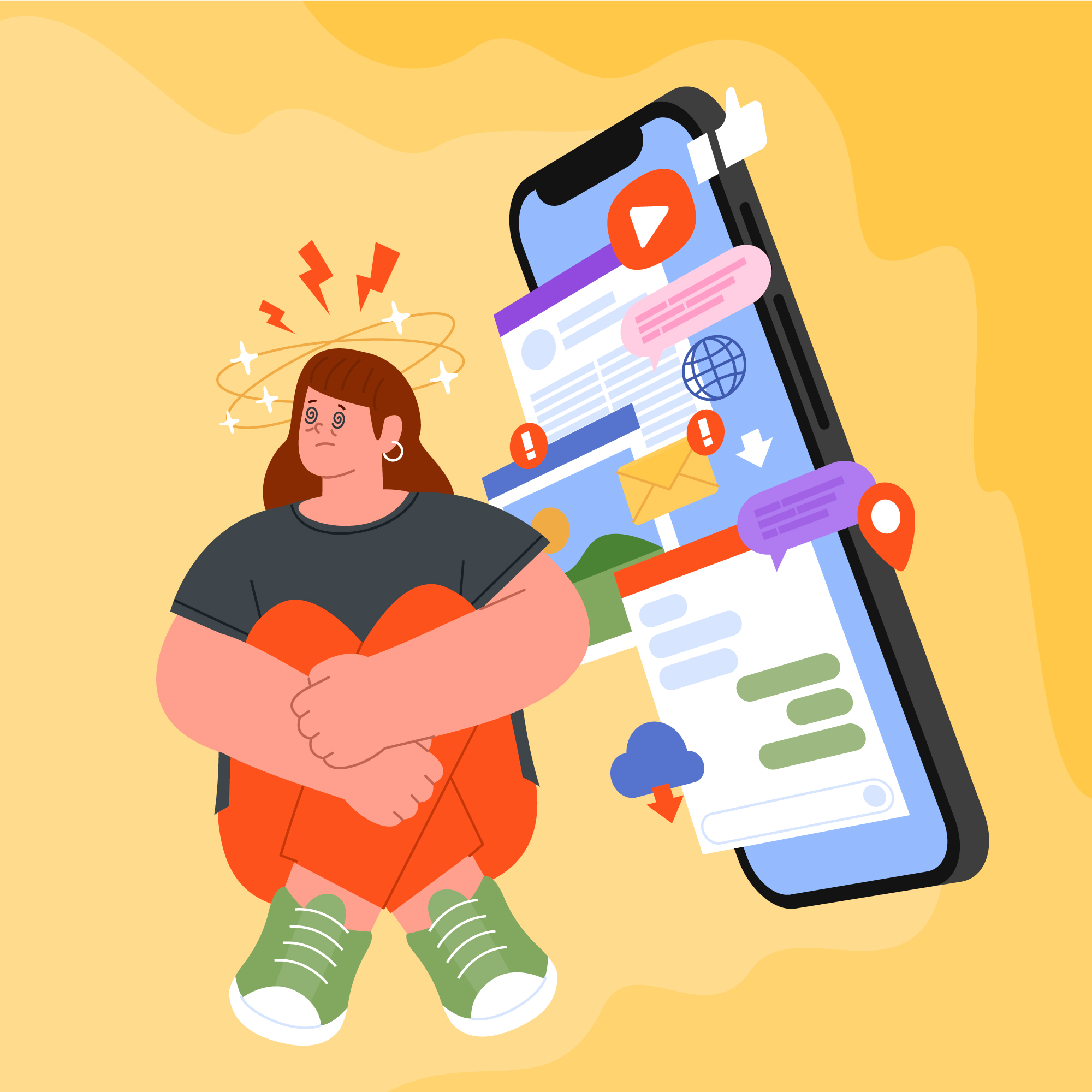
A confusing menu or deep hierarchy can quickly frustrate visitors. Users should find any key page like Services, About, or Contact within three clicks. When navigation feels overwhelming, people leave instead of exploring.
Fix: Keep your primary menu simple and intuitive. Limit top-level items to seven or fewer, use clear naming (avoid jargon), and include a search bar. Add breadcrumb navigation for deeper sections.
For examples of effective site structures, check our Singapore Website Design Case Studies, you’ll see how thoughtful navigation directly improves engagement and conversion rates.
3. Slow Page Load Times
Speed is a silent killer. A delay of even one second can reduce conversions by up to 20%. Visitors expect instant access, and search engines use page speed as a key ranking factor.
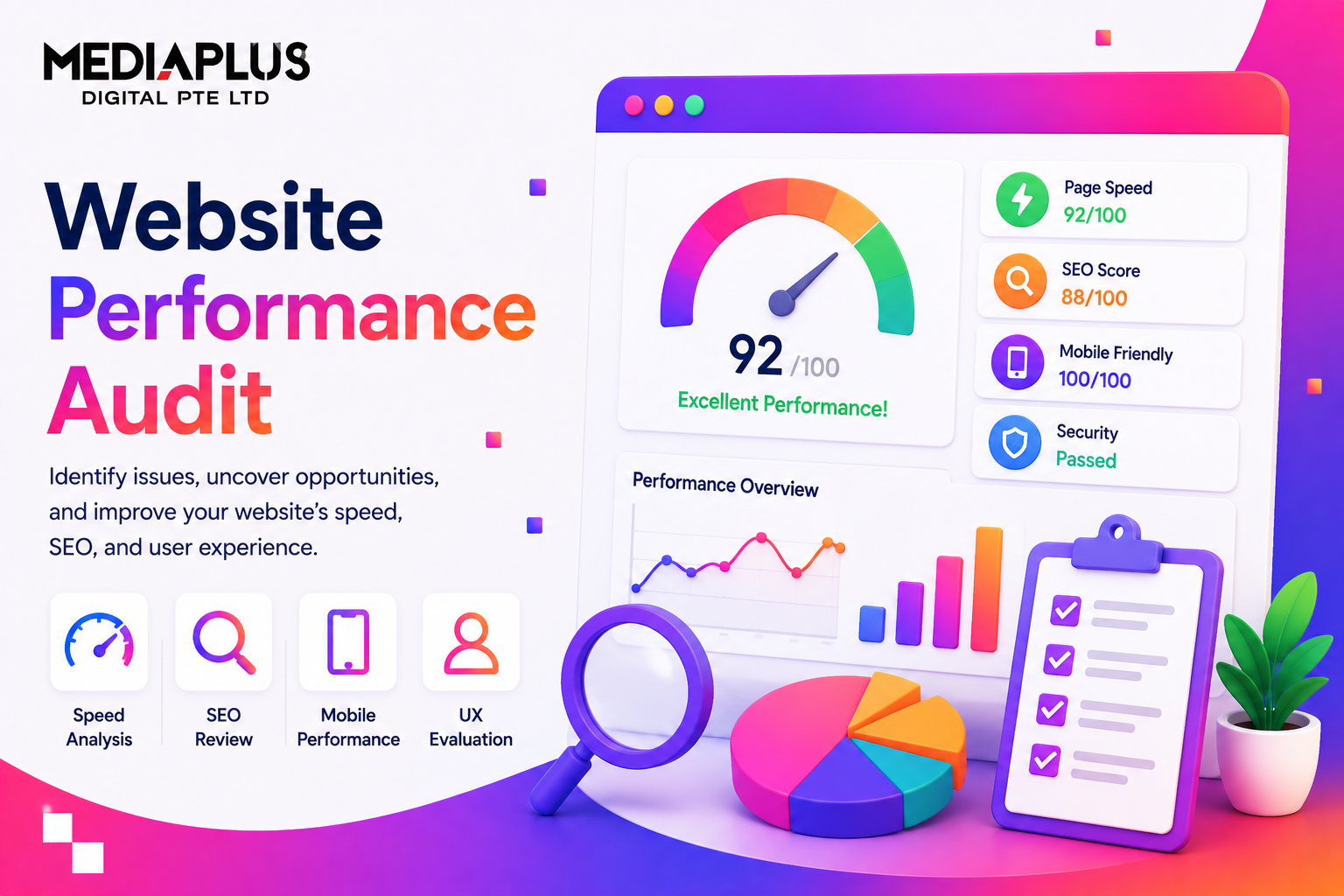
Fix: Compress large images, enable caching, minimize third-party scripts, and choose reliable hosting. Tools like Google PageSpeed Insights or GTmetrix can reveal bottlenecks.
If your site is heavy on visuals or animations, consider lightweight formats like WebP and lazy-loading.

4. Poor Visual Hierarchy
Design isn’t just decoration, it’s communication. Without a clear visual hierarchy, users won’t know where to look or what to do next. Cluttered layouts, uneven spacing, and inconsistent colors can make even good content unreadable.
Fix: Guide attention using size, color, contrast, and whitespace. Headlines should stand out, CTAs should pop, and each section should have one clear purpose.
Use a consistent grid system to keep your layout clean and balanced.
5. Weak or Inconsistent Branding
Your website is often the first impression of your business and inconsistency across fonts, colors, and tone can weaken trust. Visitors should instantly recognize your brand no matter what page they land on.
Fix: Develop a unified design system that defines your brand colors, typography, imagery style, and tone of voice. Keep your visuals consistent across pages and marketing materials.
Good branding also extends to your microinteractions hover effects, buttons, and animations should all feel cohesive.
For more insight into evolving design identity, check out our Web Design Trends for 2025 and E-commerce Design Trends articles to see what modern consumers expect.
6. Neglecting Accessibility
Accessibility isn’t just about compliance, it’s about inclusion. A site that isn’t accessible can alienate users with disabilities, leading to legal and reputational risks. Simple issues like low color contrast or missing alt text can make your website unusable for many visitors.
Fix: Follow the WCAG 2.1 standards: ensure text contrast is readable, all images have descriptive alt text, forms are labeled correctly, and your site can be navigated via keyboard.
7. Weak Content and CTAs
A beautiful layout means nothing if your message doesn’t convert. Vague copy and weak CTAs like “Learn More” or “Click Here” fail to motivate users. Remember — your website’s goal is not just to inform, but to persuade.
Fix: Write concise, benefit-driven content that speaks directly to user pain points. Use action-oriented CTAs such as “Request a Free Quote” or “Start Your Project.” Combine visuals with storytelling to reinforce your message.

8. Skipping SEO and Analytics
A site that looks amazing but doesn’t attract traffic is like a billboard in the desert. Without SEO and data tracking, you’re missing opportunities to grow.
Fix: Implement on-page SEO basics — optimized headings, meta descriptions, and schema markup. Use Google Analytics and Search Console to monitor performance. Track conversions and heatmaps to understand what users do on your site.
To find a trusted development partner for performance-focused SEO design, learn about the Website Launch Checklist to ensure every SEO element is covered.
Best Practices to Avoid Website Mistakes

To avoid common website design mistakes, focus on user-centered design principles. Start by doing careful user research. This will help you learn about your target audience, their goals, and their problems. Knowing this information will guide your design choices and help you build a website that meets their needs.
Always put functionality and usability first, rather than just focusing on looks. A beautiful website won’t help if people find it hard to use or if it doesn’t share information well. Make sure your website works well on all devices, loads quickly, has a clear layout, and offers easy navigation for a seamless user experience. This way, users will have a smooth and enjoyable experience while browsing.
Tools to Help Identify Web Design Mistakes
A range of web development tools can help you identify and rectify web design mistakes, ensuring that your website is user-friendly.
|
Tool Category |
Tool Name |
Purpose |
|
Analytics Tools |
Google Analytics |
Tracks website traffic, user behavior, and conversions, providing insights into how users interact with your site. |
|
Usability Testing |
Hotjar |
Offers heatmaps, recordings, and surveys, allowing you to understand user behavior and identify usability issues. |
|
SEO Analysis |
SEMrush |
Provides comprehensive SEO audits, keyword research, competitor analysis, and backlink tracking to improve your website’s search engine visibility. |
|
Website Speed Test |
Google PageSpeed Insights |
Analyzes your website’s loading speed and provides recommendations for optimization, improving user experience and SEO. |
|
Accessibility Check |
WAVE Web Accessibility Tool |
Evaluates your website’s accessibility against WCAG guidelines, highlighting areas that need improvement to ensure inclusivity. |
Leverage these tools to identify and rectify web design errors, optimize your website’s performance, and improve the overall user experience.
Frequently Asked Questions
What is a website design mistake?
A website design mistake is anything wrong with a website’s look, how it works, or what it says that harms the user’s experience. This can be issues like a bad navigation menu, a confusing color scheme, slow loading times, or content that is hard to access.
What are the most common web design mistakes?
The most common website design mistakes are mostly about bad user experience. This includes not having a responsive web design, complicated website navigation, and slow loading times. Another mistake is ignoring best practices for search engine optimization.
How can I avoid the worst web design errors?
To avoid mistakes in web design, focus on user experience. Make good web design a priority. Create a responsive website that is easy to navigate. Ensure your site is accessible for everyone. Use clear messages and high-quality content. Remember to conduct user tests regularly and ask for feedback!
Are there any tools available to help identify website design mistakes?
Yes, there are many tools that can help find mistakes in website design. For web development, tools like Google Analytics show how users interact with the site. Other tools focus on checking usability, accessibility, and search engine optimization.
How do website design mistakes impact user experience?
Website design mistakes can make it hard for users to enjoy their time on a site. This often makes them leave quickly, which is called a high bounce rate. Factors like slow loading times, difficult navigation, or messy content can hurt how users engage with and feel about the website.
Conclusion
Fixing the top 30 common website design mistakes is not just about making a site look better. It directly impacts user experience, trust, and how well your website supports business goals. When you improve mobile responsiveness, page speed, and navigation, and pair them with clear call to action elements, users stay longer and are more likely to convert.
A strong layout with proper white space, high quality content, and solid SEO fundamentals creates a website that is both easy to use and easy to find. Accessibility, privacy policies, and real user testimonials also play a big role in building credibility. Regular audits, error checking tools, and user testing help ensure your site continues to perform well as expectations change.
For businesses looking for professional web design Singapore services, applying these best practices is the foundation of a website that looks polished and delivers real results. If you want a more tailored approach, feel free to contact us for a free consultation. We are happy to help you take your website to the next level.